Why Are My Plant Leaves Turning Yellow? Common Causes and Easy Fixes
Plant leaves turning yellow can indicate overwatering, underwatering, pests, nutrient deficiencies, or stress. Learn the causes, fixes, and prevention tips.
PEST & PLANT CARE
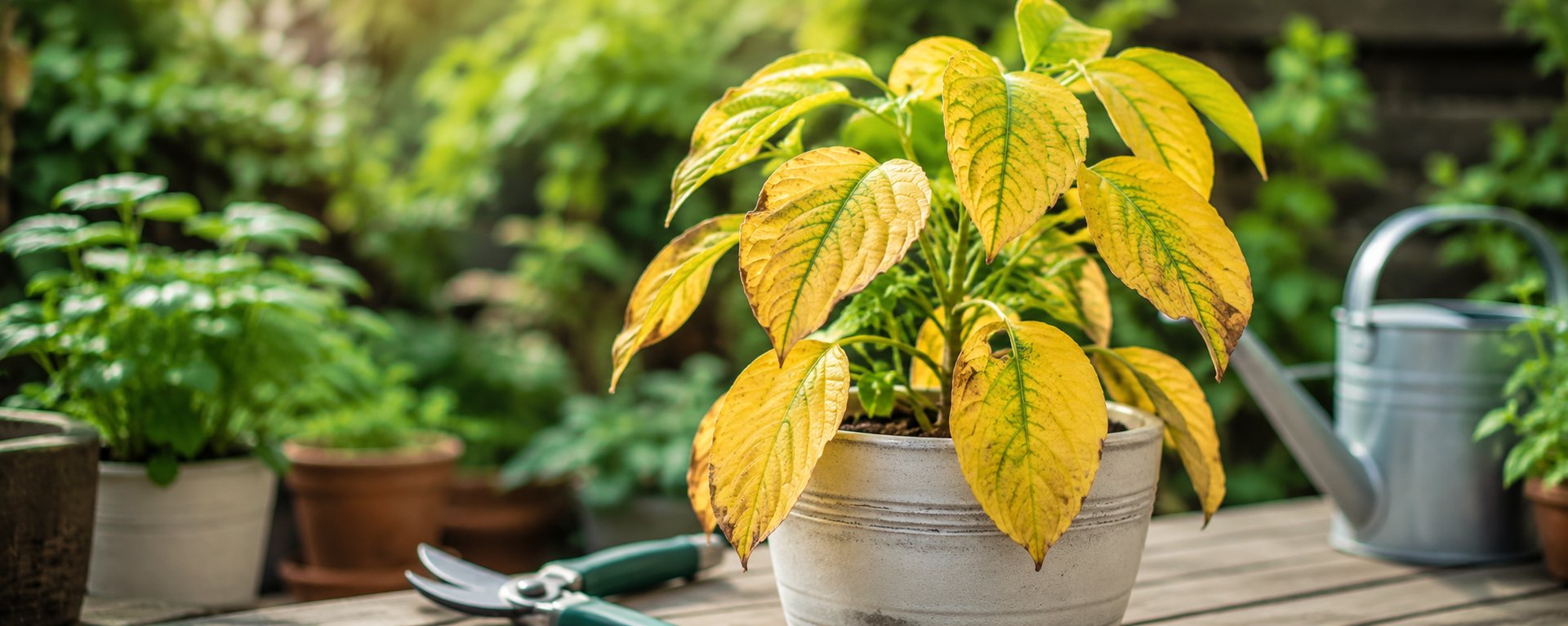
Why Are My Plant Leaves Turning Yellow? Common Causes and Easy Fixes
Few things are more frustrating for gardeners than seeing healthy green leaves slowly turn yellow.
One day your plant looks vibrant and full of life. The next, you notice yellow patches spreading across the leaves, leaving you wondering what went wrong.
The good news is that yellow leaves don't always mean your plant is dying.
In fact, yellowing leaves are often your plant's way of telling you that something in its environment needs attention. The challenge is figuring out exactly what that problem is.
Whether you're growing vegetables in raised beds, herbs in containers, indoor plants on a windowsill, or flowers in your backyard, understanding the cause of yellow leaves can help you take action before the problem becomes serious.
Let's explore the most common reasons plant leaves turn yellow and what you can do to fix them.
Quick Diagnosis Guide
1. Overwatering: The Most Common Cause
If there is one mistake that kills more plants than any other, it's overwatering.
Many gardeners assume yellow leaves mean the plant needs more water. Unfortunately, adding more water often makes the problem worse.
When soil remains constantly wet, roots cannot access oxygen. Without oxygen, roots begin to weaken and eventually rot.
Signs of Overwatering
Yellow leaves throughout the plant
Soft stems
Soggy soil
Mold on soil surface
Fungus gnats around containers
Leaves dropping despite wet soil
How to Fix It
Stop watering immediately
Allow the soil to partially dry
Improve drainage if necessary
Ensure containers have drainage holes
SoulfulSoil Tip: Before watering, always perform the Finger Test by checking moisture 1 to 2 inches below the soil surface.
2. Underwatering
While overwatering is more common, underwatering can also cause leaves to turn yellow.
When plants don't receive enough water, they begin sacrificing older leaves to conserve moisture.
Signs of Underwatering
Dry soil
Crispy leaf edges
Wilting
Slow growth
Yellow leaves starting from the bottom
How to Fix It
Water deeply and thoroughly
Avoid frequent shallow watering
Apply mulch to retain moisture
Monitor containers more frequently during hot weather


3. Natural Aging
Sometimes yellow leaves are completely normal.
Plants continuously replace older leaves with new growth.
As a result, older leaves near the bottom of the plant naturally turn yellow and fall off.
Signs
Only lower leaves affected
Healthy new growth
No signs of disease or pests
What to Do
Simply remove the old leaves and continue normal care.
4. Nutrient Deficiencies
Plants require essential nutrients to maintain healthy green foliage.
When nutrients become unavailable, yellow leaves often appear.
Nitrogen Deficiency
One of the most common nutrient problems.
Symptoms
Older leaves turn yellow first
Slow growth
Pale appearance
Iron Deficiency
Often seen in container plants.
Symptoms
Yellow leaves with green veins
New growth affected first
How to Fix Nutrient Deficiencies
Add quality compost
Use balanced fertilizer when appropriate
Check soil pH if problems persist
6. Too Much or Too Little Sunlight
Plants need the right amount of sunlight to stay healthy. When light levels don't match the plant's requirements, yellow leaves may appear.
Too Much Sun ( Symptoms include)
Yellow leaves
Brown patches
Scorched leaf edges
Too Little Sun (Symptoms include)
Pale yellow leaves
Weak stems
Slow growth
Solution
Research your plant's sunlight requirements and place it accordingly.
5. Poor Drainage
Even if you water correctly, poor drainage can create the same problems as overwatering.
Waterlogged soil traps moisture around roots and prevents oxygen flow.
Common Causes
Containers without drainage holes
Heavy clay soil
Compacted garden beds
Solutions
Improve soil structure with compost
Use raised beds when necessary
Choose containers with proper drainage
7. Pest Problems
Some insects feed directly on plant leaves, causing discoloration and stress.
Common culprits include:
Aphids
Spider mites
Whiteflies
Mealybugs
Signs
Tiny insects visible
Sticky residue on leaves
Distorted new growth
Yellow spots
What to Do
Inspect leaves regularly
Spray with water to remove pests
Use insecticidal soap when needed


8. Transplant Shock
Plants sometimes react negatively after being moved to a new location.
This temporary stress often causes yellow leaves.
Symptoms
Yellowing shortly after transplanting
Mild wilting
Slowed growth
Solution
Keep soil consistently moist
Avoid excessive fertilizer
Give plants time to establish
Most plants recover within a few weeks.
When Should You Be Concerned?
Yellow leaves become more serious when:
Most of the plant is affected
Growth stops completely
Leaves develop black spots
Stems become soft
The problem spreads rapidly
In these situations, quick action is important.
Yellow leaves aren't a disease.
They're a message.
Your plant is telling you that something in its environment needs attention. The key is identifying the cause before the problem spreads.
In most cases, yellow leaves are linked to watering issues, poor drainage, nutrient deficiencies, or natural aging.
Take a few minutes to inspect your soil, check your watering habits, and look for signs of pests or stress. A simple adjustment today can help your plant return to healthy green growth tomorrow.
Happy gardening. 🌱
SoulfulSoil Takeaway

Before reaching for the watering can or fertilizer, always inspect the soil first. Nearly 80% of yellow leaf problems are caused by watering issues rather than nutrient deficiencies. A simple finger test can often reveal the real cause and save your plant from unnecessary stress.
Frequently asked questions?

You May Also Like
Subscribe to our Newsletter