How to Start a Garden: A Practical Beginner’s Guide
Starting a garden is easier than you think. Learn the essential steps to grow healthy plants with confidence, no matter your space or experience level.
GARDENING BASIC

Quick Gardening Cheat Sheet
Before we dig in, here is a quick snapshot of what a beginner garden actually needs:
Factor What You Need to Know
Difficulty: 100% Beginner-friendly
Best time to start: Highly dependent on your local climate (details below!)
Sunlight: Generally 6 to 8 hours of direct sun for veggies and flowers
Watering: Only when the top 1 inch (2.5 cm) of soil feels completely dry
Space required: As small as a few pots or a single 4x4 foot plot
Basic tools: Gardening gloves, a hand trowel, and a sturdy watering can


Step 1: Start Small (Seriously, Trust Us)
It is incredibly tempting to walk into a nursery and buy everything in sight—tomatoes, basil, lavender, peppers, and roses. But remember: every single plant you buy is a commitment. Each one has its own schedule for watering, feeding, pruning, and pest control.
If you are a complete beginner, choose just one of these manageable setups for your first season:
3 to 5 containers on a porch or balcony.
One small raised bed (a simple 4x4 foot frame is perfect).
A sunny indoor windowsill dedicated entirely to kitchen herbs.
Starting small gives you space to learn how plants react to water, heat, and soil without feeling like you have taken on a second full-time job.
A Quick Tip for Success:
Only grow what you actually love to eat or look at. If you hate radishes, do not grow them just because they are "easy." A single pot of fresh basil that you harvest for weekly pasta nights will feel infinitely more rewarding!
Step 2: Decode Your Sunlight & Location
Before spending money on seeds, spend 24 hours simply observing your outdoor space. Sunlight is the fuel your plants use to grow, and miscalculating it is a major reason beginner gardens fail.
Keep an eye out for:
When direct sunlight first hits your garden spot.
How long it stays there before being blocked by trees, fences, or buildings.
Where water pools when it rains (you do not want a muddy, drowning garden).
Most classic garden plants (like tomatoes, peppers, and cucumbers) require 6 to 8 hours of direct, unobstructed sunlight. Leafy greens (like spinach and lettuce) can tolerate partial shade.
Adjusting for Your Climate:
If you are in India or the US South: The intense, scorching afternoon sun can literally sunburn young leaves. Look for a spot that gets bright morning sun but has some light dappled shade or protection during the blistering 2:00 PM heat.
If you are in Canada or the US North: Your outdoor growing window is much shorter. To make the most of it, look for the absolute warmest, sunniest microclimate on your property—often against a south-facing brick wall that radiates heat.
Step 3: Containers, Raised Beds, or In-Ground?
There is no "perfect" way to garden. The best method depends entirely on your living situation, physical space, and budget.
Where should you plant?
Containers: Best for beginners and renters. They give you total control over the soil quality, are easy to move if the sun shifts, and have almost zero weed issues. Just make sure your pots have drainage holes at the bottom—otherwise, your plant roots will drown.
Raised Beds: Great if your backyard soil is rocky, hard clay, or full of weeds. Raised beds keep things neat and save your back from bending over too much.
In-Ground Gardening: The most cost-effective route if you have a lawn, but it requires a bit of physical muscle to dig up the sod and mix in compost to improve the natural soil structure.
Step 4: Build "Black Gold" (Healthy Soil)
Plants get their water, oxygen, and nutrients from the soil. If your soil is bad, your plants will struggle, no matter how much love you give them.
For Pots: Never use dirt dug up from the backyard. It is too heavy and will pack down into a hard, suffocating clay block inside a pot. Always use a high-quality, lightweight Potting Mix.
For Ground and Raised Beds: Mix in plenty of organic compost. Compost acts like a sponge, helping dry soil hold water while helping heavy clay soil drain better.
The "Squeeze Test" for Soil Texture
Take a handful of slightly damp soil from your yard and squeeze it in your fist:
If it forms a hard, sticky clay ball that doesn't break when poked, it is too heavy. Add organic matter/compost.
If it immediately slips through your fingers like beach sand, it won't hold water. Add compost.
If it holds its shape for a second, then crumbles softly when you poke it with your finger, congratulations! You have perfect, loamy soil.
Step 5: Choose Foolproof Beginner Plants
Some plants are incredibly dramatic and fussy. Save those for your second year. For your first attempt, stick to these resilient, fast-growing varieties:
Easy Herbs
Basil: Loves the heat; perfect for windowsill pots.
Mint: Warning: Mint spreads like wildfire. Always grow it in its own isolated container, or it will take over your entire yard!
Chives: Virtually indestructible and returns year after year.
Easy Vegetables
Radishes: The ultimate confidence booster. They go from seed to your salad bowl in just 3 to 4 weeks.
Bush Beans: Highly productive and do not require massive climbing trellises.
Cherry Tomatoes: Much easier to grow and less prone to disease than giant beefsteak tomatoes.
Step 6: Seeds vs. Starter Plants
Should you buy a packet of seeds for $2 or a young starter plant from the nursery for $4? The answer is: do both!
Direct-Sow from Seed: Crops that grow incredibly fast or hate having their roots disturbed should always be sown directly into your soil as seeds. This includes radishes, carrots, beans, and salad greens.
Buy Nursery Starters: Crops that take a long time to grow from seed are best bought as "baby plants." Let the nursery do the hard work of keeping them alive during their fragile early weeks. This includes tomatoes, bell peppers, and rosemary.
Nursery Tip: When buying starter plants, don't just grab the tallest one. Look for short, bushy, deep-green plants. Avoid any that have yellowing leaves, roots bursting out of the bottom drainage holes, or visible bugs on the undersides of the leaves.
Step 7: Master the Art of Watering
Watering is where most beginner gardeners accidentally kill their plants. The secret is simple: stop watering on a rigid calendar schedule.
Factors like wind, humidity, cloud cover, and temperature change how thirsty a plant is from day to day.
The Finger Test: Push your index finger into the soil up to the first knuckle. If it feels damp and cool, walk away. If it feels dry, it is time for a deep, thorough watering.
Water the Soil, Not the Leaves: Splashing water directly onto plant leaves can invite fungal diseases. Aim the nozzle of your watering can right at the base of the plant where the stem meets the soil.
Water in the Morning: This gives any water that accidentally gets on the leaves a chance to dry in the sun, preventing mold and pests.
Watering on Autopilot: Do not water just because it is Tuesday. Check the soil moisture first!
Crowding Your Plants: It is tempting to pack plants close together, but crowded plants fight for nutrients and are highly prone to mildew due to poor airflow. Give them breathing room.
Using Pots Without Holes: A pot with no drainage is a death sentence. Water will pool at the bottom, rot the roots, and kill the plant.
Over-Fertilizing: More fertilizer does not equal faster growth. Too much food will chemically burn plant roots and result in lots of leaves but zero flowers or fruit.
Giving Up Too Easily: Even professional gardeners lose plants to pests, weather, and bad luck. Don't take it personally-treat it as a learning experience for next season!
5 Common Mistakes to Avoid (We've All Made Them!)
Best Plants For Balcony Gardening


Low Maintaince:
Aloe Vera, Jade Plant, Snake Plant, Portulaca
Flowers:
Marigolds, Petunias, Geraniums, Zinnias
Vegetables:
Cherry Tomatoes, Chili Peppers, Lettuce, Spinach
Herbs:
Basil, Mint, Coriander (Cilantro), Parsley

Morning watering is almost always better than evening watering because leaves have time to dry, reducing fungal diseases.
Frequently asked questions?


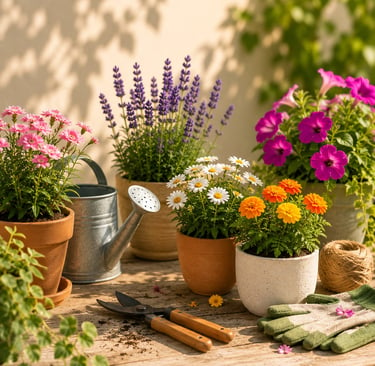
Start Small, Grow Big

Gardening is not a test with a pass or fail grade. It is a relationship with nature that you learn season by season.
Do not worry about making your garden look like an Instagram photo on your first try. Start with one healthy pot of basil, keep it alive, learn its habits, and build your confidence from there.
Happy planting!
(Did you enjoy this guide? Check out our next article on How to Choose the Right Soil for Plants or learn the basics of How to Make Compost at Home!)
You May Also Like
Subscribe to our Newsletter