How Often Should You Water Plants? The Beginner's Guide to Watering Correctly
How often should you water plants? Learn the best watering schedule, avoid overwatering, and keep indoor and outdoor plants thriving year-round naturally.
GARDENING BASIC
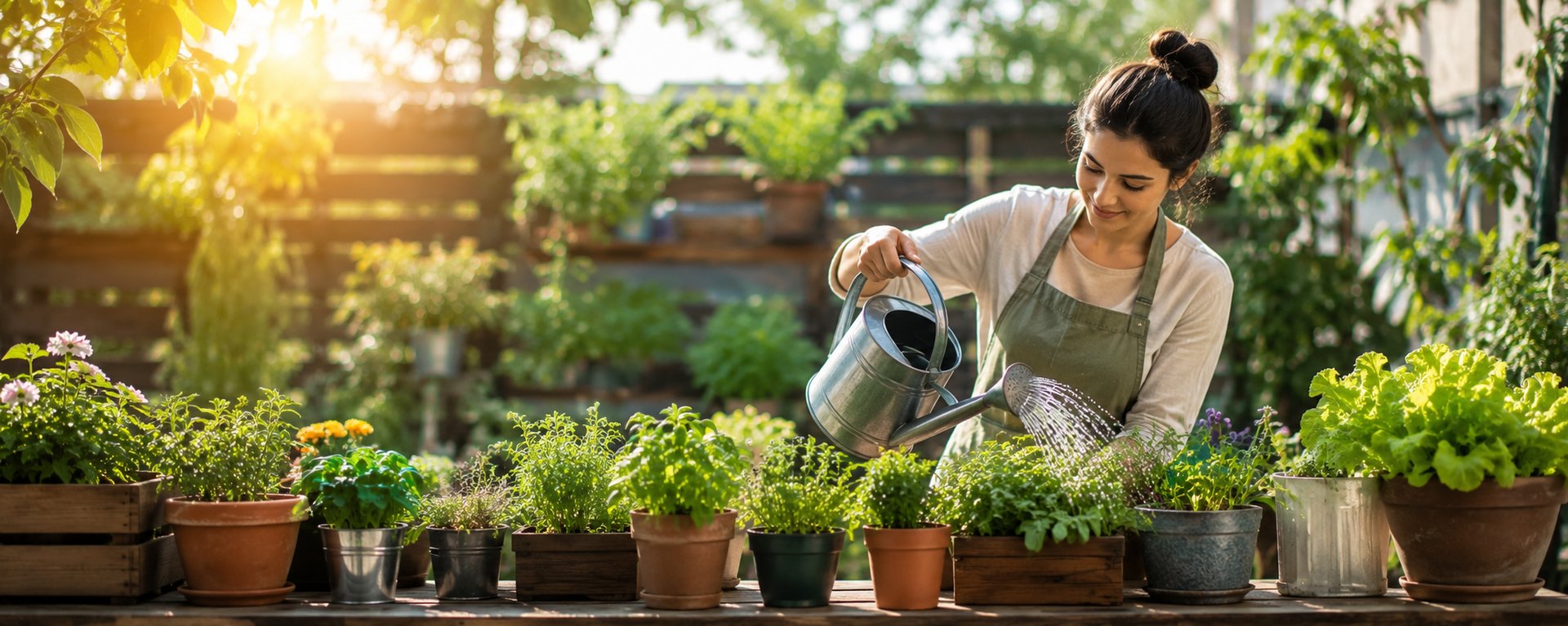
"How often should I water my plants?"
It sounds like a simple question, but the answer surprises most beginners.
Plants do not follow a calendar.
They don't know it's Monday, Wednesday, or Saturday.
Yet many new gardeners create strict watering schedules and end up doing more harm than good.
In fact, overwatering kills more plants than underwatering.
The secret isn't watering on a schedule. It's learning how to understand what your plants actually need.
Whether you're growing herbs on a sunny apartment balcony, vegetables in raised beds, or indoor plants on a windowsill, this guide will help you water correctly and confidently.
Quick Answer
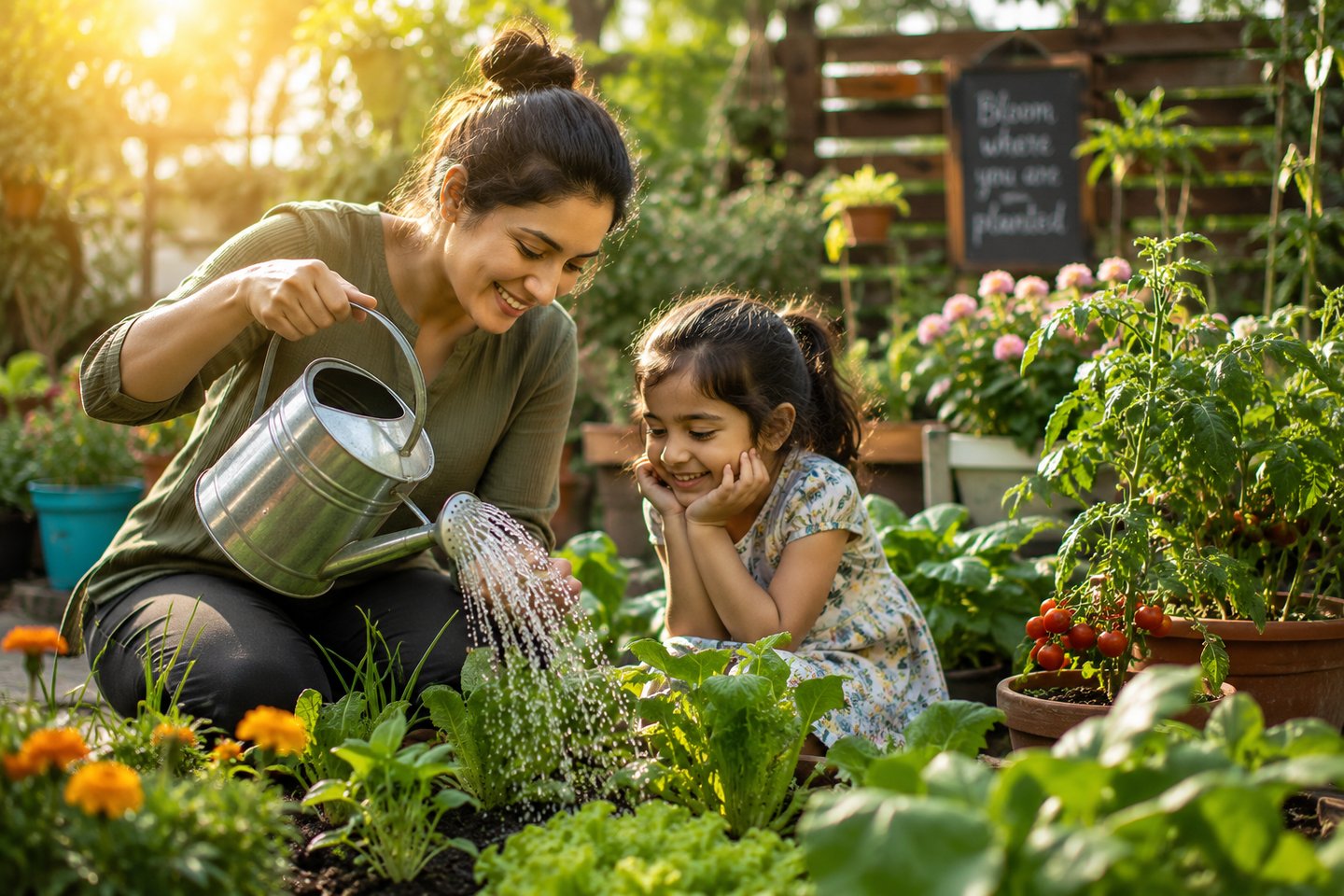
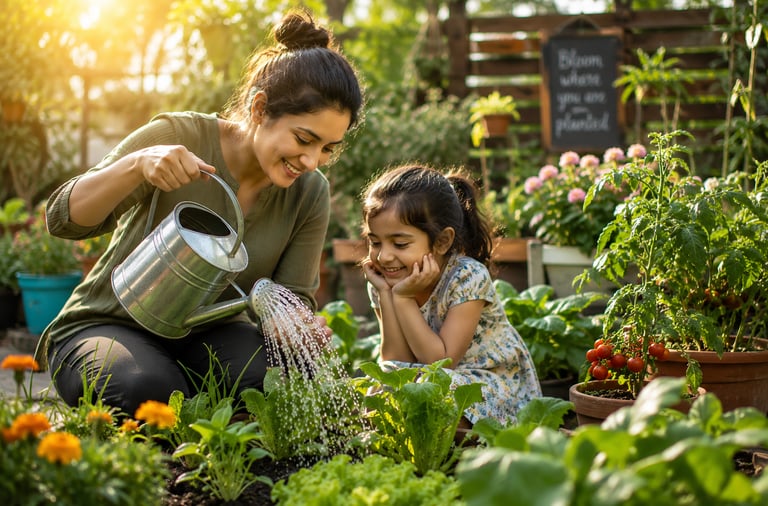
Most plants should be watered when the top 1 to 2 inches of soil feels dry, not according to a fixed schedule.
Factors such as sunlight, temperature, humidity, wind, soil type, plant size, and container size all affect how quickly plants use water.
The best way to know when to water is to check the soil rather than following a calendar.
The Biggest Watering Mistake Beginners Make
Many people believe: "If water is good, more water must be better."
Unfortunately, plants don't work that way.
Roots need both:
Water
Oxygen
When soil stays constantly wet, oxygen disappears.
Without oxygen, roots begin to weaken and rot.
Once root rot develops, even watering more often won't help.
This is why overwatering is responsible for more dead houseplants and container plants than almost any other gardening mistake.
Why Watering Matters More Than You Think
Plants need water for nearly every important process:
Transporting nutrients
Producing energy through photosynthesis
Supporting root growth
Maintaining healthy leaves and flowers
Producing vegetables and fruits
Too little water stresses plants.
Too much water suffocates roots.
Healthy gardens depend on finding the right balance.
The Finger Test: The Simplest Watering Method
If you learn only one thing from this article, learn this.
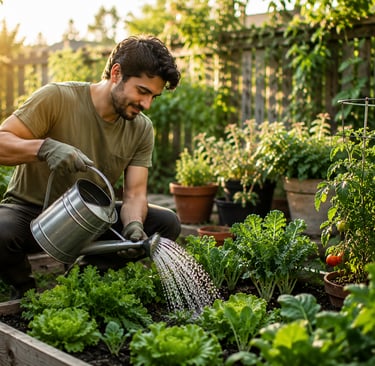
The Finger Test is the easiest and most reliable way to determine when a plant needs water.
How to Do It
Step 1: Insert your finger into the soil up to your first knuckle.
Step 2: Feel the moisture level. If the Soil Feels:
Cool and damp: Wait another day or two.
Slightly moist: Monitor and check again tomorrow.
Dry: It's time to water.
This simple technique works for:
Vegetable gardens
Flower beds
Container gardens
Herbs
Indoor plants

Newly Planted Plants
New plants have smaller root systems and need more frequent watering until established.
Check them daily during the first few weeks.
How Often Should Outdoor Plants Be Watered?
The frequency depends on weather and soil conditions.
Vegetable Gardens
Most vegetables prefer deep watering approximately 2 to 3 times per week rather than daily shallow watering.
Examples include:
Tomatoes
Peppers
Cucumbers
Beans
Deep watering encourages deeper roots and stronger plants.
Flower Gardens
Most established flower beds need around 1 inch of water per week from rainfall or irrigation.
During hot weather, additional watering may be necessary.
Signs You're Underwatering
Watch for these warning signs:
Plants also communicate when they're thirsty.
Look for: Dry, Crumbly Soil
The most obvious sign.
Wilted Leaves: Plants lose internal water pressure.
Crispy Leaf Edges: Especially common in containers.
Slow Growth: The plant conserves energy.
Flowers Dropping Early: Many flowering plants shed blooms during drought stress.
Signs You're Overwatering
Watch for these warning signs:
Yellow Leaves: One of the earliest symptoms.
Soft, Mushy Stems: Roots may already be struggling.
Mold on Soil Surface: A sign the soil remains wet for too long.
Drooping Leaves Despite Wet Soil: Many beginners mistake this for thirst and add even more water.
Fungus Gnats: These tiny flying insects love constantly wet soil.
How Often Should Indoor Plants Be Watered?
Indoor plants usually require less water than outdoor plants.
Most houseplants only need watering every:
7 to 14 days
However, this varies depending on:
Plant type
Pot size
Indoor temperature
Humidity
Light exposure
Never assume every plant follows the same schedule.
A snake plant and a peace lily have completely different watering needs.

Morning vs Evening: When Is the Best Time to Water?
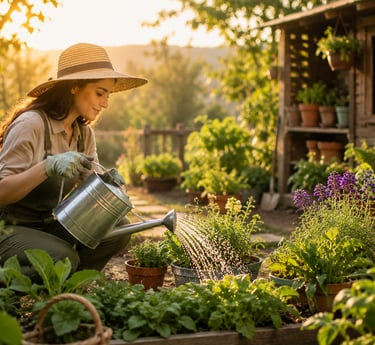
Morning is usually best.
Why Morning Watering Works
Cooler temperatures reduce evaporation
Plants have water available during the day
Leaves dry faster
Lower risk of fungal diseases
Evening Watering
Can work when necessary.
However, wet leaves sitting overnight may encourage disease problems.
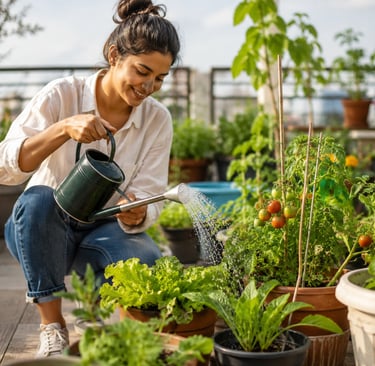
How Weather Affects Watering
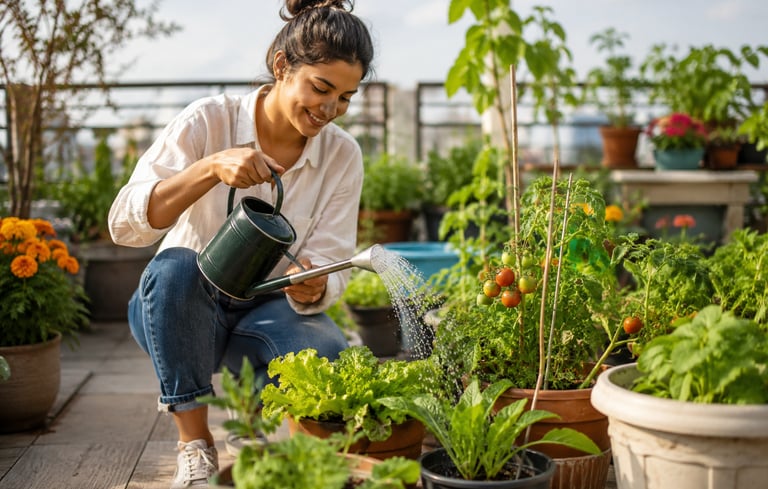
No watering schedule works year-round.
Hot Summer Weather
Plants use water quickly.
Expect more frequent watering.
Cloudy Weather
Water use decreases.
Rainy Seasons
Reduce or stop supplemental watering.
Windy Conditions
Containers dry much faster.
Always adjust based on actual conditions.
Deep Watering vs Shallow Watering
Many beginners water for only a few seconds.
This wets the surface but never reaches the roots.
Shallow Watering Creates
Weak roots
More frequent watering needs
Less drought tolerance
Deep Watering Creates
Strong roots
Healthier plants
Better drought resistance
Water slowly until moisture reaches deeper soil layers.
Then allow the soil to partially dry before watering again.
The healthiest gardens aren't created by watering more often.
They're created by watering more intelligently.
Instead of following a strict schedule, learn to observe your soil, understand your plants, and respond to their needs.
A simple finger pushed into the soil can tell you more than any calendar ever will.
Start checking your soil before reaching for the watering can, and you'll avoid one of the biggest mistakes beginner gardeners make.
Happy gardening.
Common Watering Mistakes to Avoid
SoulfulSoil Takeaway
Morning watering is almost always better than evening watering because leaves have time to dry, reducing fungal diseases.
Watering Every Day Automatically
Check soil first.
Watering Plant Leaves Instead of Roots
Aim water at the soil.
Using Pots Without Drainage Holes
Excess water must escape.
Following a Fixed Schedule
Plants don't follow calendars.
Giving Tiny Amounts of Water
Water deeply and thoroughly.
Frequently asked questions?


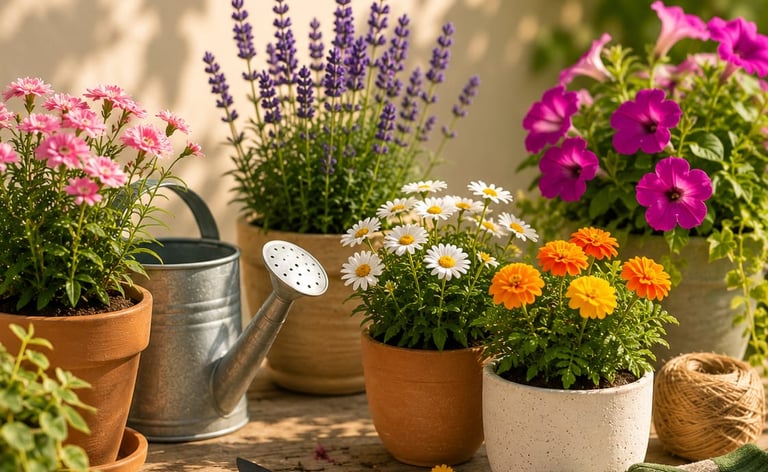
Container Plants Need More Water
Plants grown in pots dry out faster than plants growing in the ground.
This is because containers:
Heat up quickly
Have limited soil volume
Lose moisture faster
During peak summer heat, some containers may require daily checks.
This is especially true for:
Basil
Tomatoes
Hanging baskets
Small herb pots
You May Also Like
Subscribe to our Newsletter