How to Grow Vegetables on a Balcony: Complete Beginner Guide
Learn how to grow vegetables on a balcony with easy beginner tips. Discover the best containers, soil, sunlight, and vegetables for every small space today.
VEGETABLE GARDENING
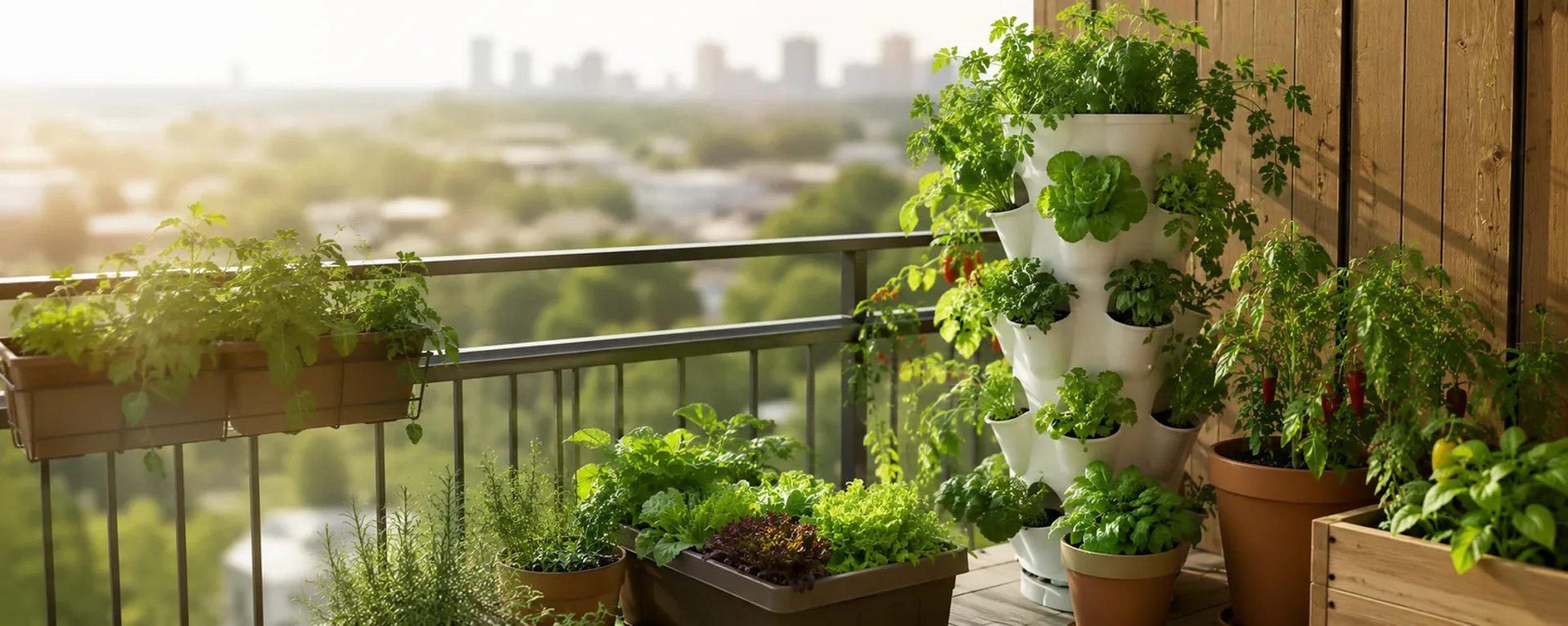
Imagine walking out to your balcony on a Sunday morning, clipping fresh basil and juicy cherry tomatoes, and bringing them straight to your kitchen table - no backyard required.
Think again.
Thousands of gardeners around the world are harvesting fresh tomatoes, peppers, lettuce, herbs, and even cucumbers from small apartment balconies.
Whether you live in a city apartment in Toronto, a high-rise in Chicago, or a flat in Mumbai, a balcony can become a productive vegetable garden with the right planning.
The key is choosing suitable plants, providing enough sunlight, and using containers effectively.
This guide will show you exactly how to transform your balcony into a thriving vegetable garden, even if you've never grown a plant before.
Why Balcony Gardening Is Perfect for Beginners
Balcony gardening offers several advantages over traditional gardening.
Easy to Manage
Plants are close by, making watering, pruning, and harvesting simple.
Space Efficient
You can grow vegetables vertically and maximize every square foot.
Fewer Weeds
Containers dramatically reduce weed problems.
Accessible
No digging, heavy tools, or large garden beds required.
If your balcony receives less than four hours of sunlight, focus primarily on leafy greens and herbs.
Step 2: Choose the Right Containers
Container selection can make or break your garden.
Good Options
Plastic pots
Fabric grow bags
Wooden planters
Self-watering containers
Always Ensure
Drainage holes
Adequate depth
Strong support for larger vegetables
Step 1: Evaluate Your Balcony
Before buying seeds or containers, understand your growing space.
Measure Sunlight
Most vegetables need:
6–8 hours of direct sunlight daily
Observe your balcony throughout the day.
Sunlight Categories
Step 4: Start With Easy Vegetables
Beginners should focus on reliable crops.
Best Vegetables for Balcony Gardens
Step 3: Use Quality Potting Mix
Never fill containers with garden soil.
Garden soil becomes compacted and restricts root growth.
Use a lightweight potting mix containing:
Coco coir or peat moss
Compost
Perlite
Vermiculite
Healthy roots require both moisture and oxygen.
These vegetables grow well in containers and provide quick rewards.
Step 6: Feed Your Plants
Container vegetables depend entirely on you for nutrients.
Good Options
Compost
Worm castings
Organic vegetable fertilizer
Most vegetables benefit from feeding every 2–4 weeks during active growth.
Step 5: Water Consistently
Balcony containers dry out faster than garden beds.
Check Before Watering
Insert your finger about an inch into the soil.
Dry = Water
Moist = Wait
Avoid watering on a fixed schedule.
Plants prefer watering based on need rather than the calendar.
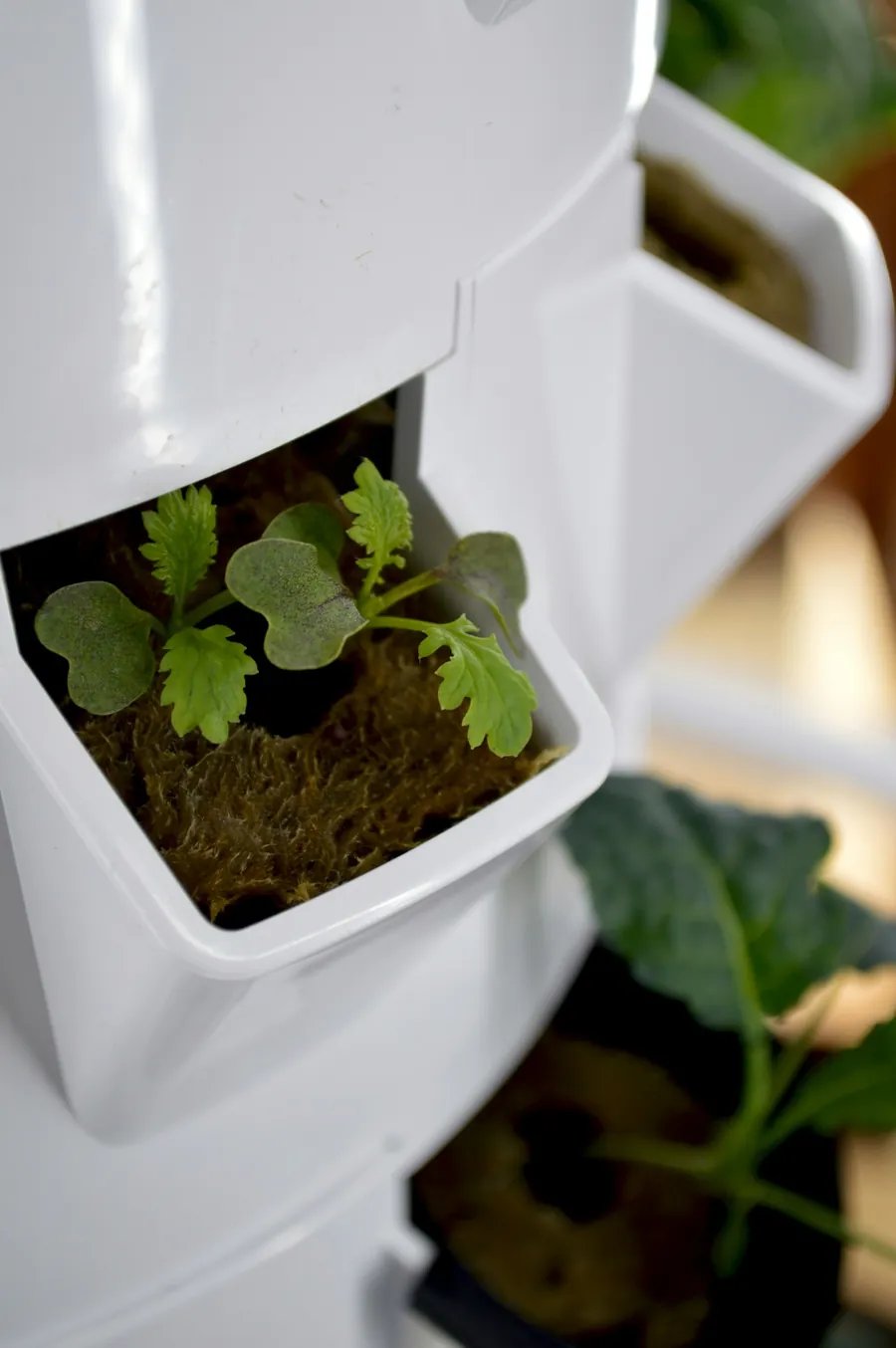
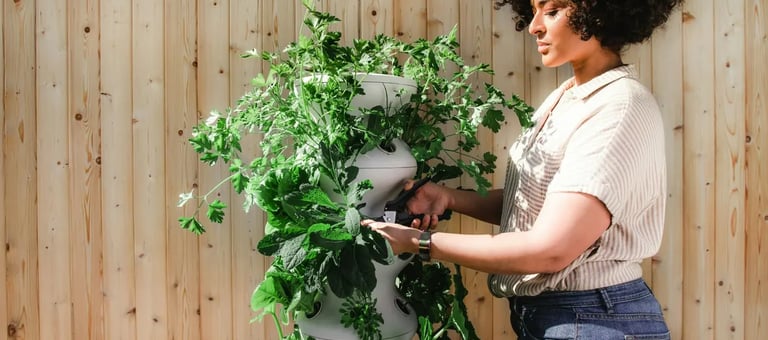
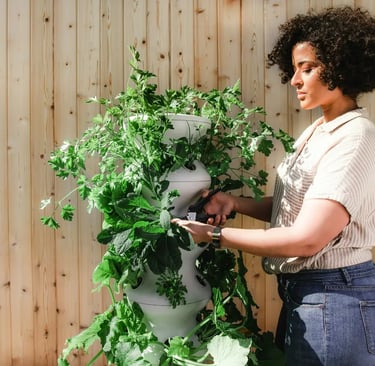
Step 7: Grow Vertically
Small balconies benefit from vertical gardening.
Use
Trellises
Wall planters
Hanging baskets
Plant stands
Vertical gardening increases growing space without increasing floor space.
Common Balcony Gardening Mistakes
Choosing Oversized Plants
Large pumpkin or watermelon varieties are rarely suitable for balconies.
Choose compact varieties whenever possible.
Ignoring Wind
High-rise balconies often experience strong winds.
Protect plants with:
Screens
Rail planters
Strategic placement
Overcrowding Containers
More plants do not always mean bigger harvests.
Proper spacing improves airflow and reduces disease.
Using Containers Without Drainage
Standing water quickly leads to root rot.
Always use containers with drainage holes.

Start with three containers instead of ten.
A few healthy, productive plants are far more rewarding than managing too many struggling vegetables. Once you gain confidence, expand your balcony garden gradually.
Best Balcony Vegetables by Region
Frequently asked questions?


Final Thoughts
A productive vegetable garden doesn't require a backyard.
With quality containers, good soil, adequate sunlight, and beginner-friendly vegetables, even the smallest balcony can provide fresh, homegrown food throughout the growing season.
Start small, learn from each season, and enjoy the satisfaction of harvesting vegetables just steps from your door.
You May Also Like
Subscribe to our Newsletter