Common Garden Pests and How to Get Rid of Them Naturally
Learn how to identify common garden pests and remove them naturally using safe, eco-friendly methods. Protect vegetables, flowers, and herbs without harsh chemicals.
PEST & PLANT CARE
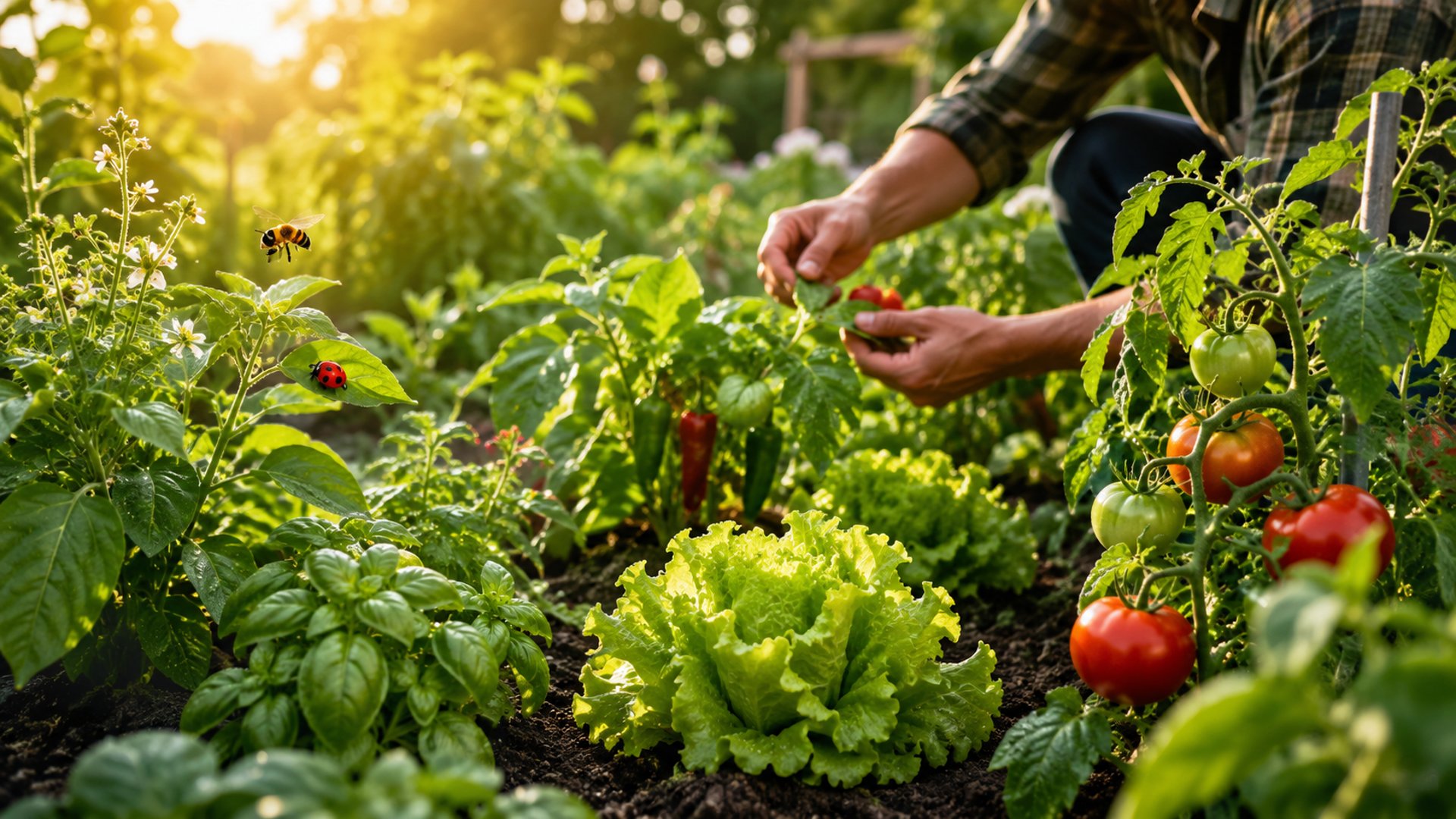
Nothing is more frustrating than walking into your garden and discovering holes in leaves, curled foliage, sticky residue, or damaged vegetables. Garden pests are a natural part of gardening, but the good news is that most infestations can be controlled without using harmful chemicals.
By identifying pests early and using natural solutions, you can protect your plants while maintaining a healthy and environmentally friendly garden.
In this guide, you'll learn how to recognize the most common garden pests and the best natural methods to keep them under control.
Why Natural Pest Control Matters
Many chemical pesticides kill both harmful and beneficial insects. While they may eliminate pests quickly, they can also harm pollinators, contaminate soil, and disrupt your garden's natural ecosystem.
Natural pest control focuses on prevention, balance, and environmentally friendly solutions that support long-term plant health.
Benefits include:
Safe for vegetables and herbs
Protects pollinators such as bees and butterflies
Improves garden biodiversity
Reduces chemical exposure
Supports healthy soil ecosystems
1. Aphids
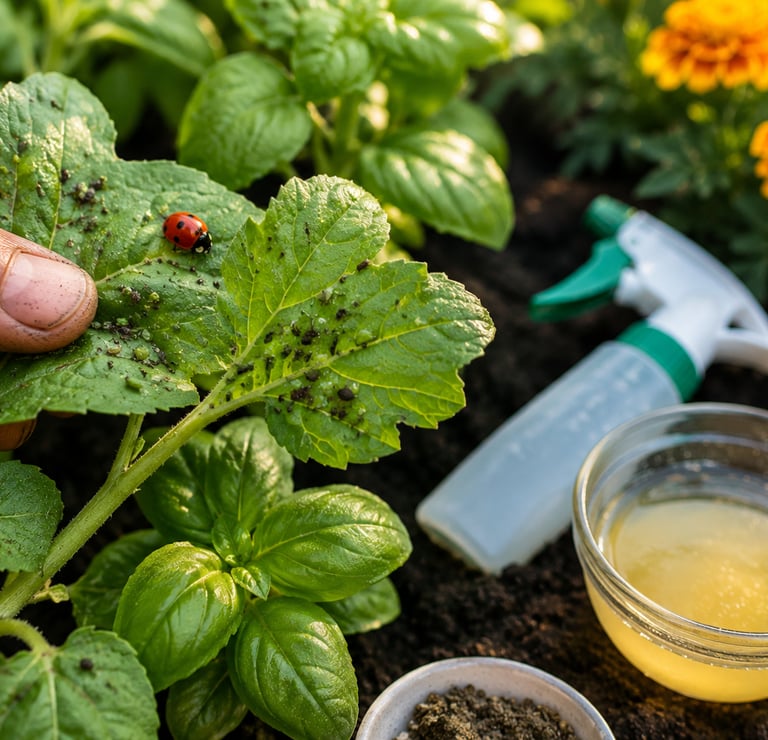
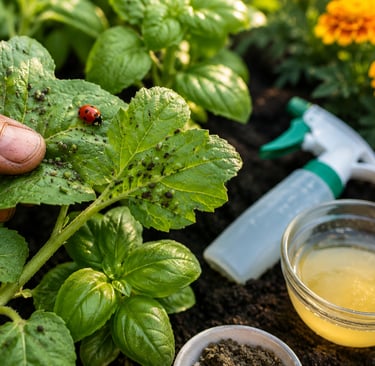
Aphids are tiny soft-bodied insects that cluster on new growth, flower buds, and the undersides of leaves.
Signs of Aphid Damage
Curled leaves
Stunted growth
Sticky residue on leaves
Ant activity around plants
Natural Solutions
Spray plants with a strong stream of water
Apply neem oil
Use insecticidal soap
Encourage ladybugs and lacewings
3. Spider Mites
Spider mites are tiny pests that thrive during hot, dry weather.
Signs of Spider Mites
Tiny yellow spots on leaves
Fine webbing
Dry, unhealthy foliage
Leaf drop
Natural Solutions
Increase humidity
Spray plants with water
Apply neem oil
Introduce beneficial predatory mites
2. Whiteflies
Whiteflies resemble tiny white moths and often gather beneath leaves.
Signs of Whiteflies
Yellowing leaves
Sticky honeydew residue
Weak plant growth
Tiny white insects flying when disturbed
Natural Solutions
Yellow sticky traps
Neem oil sprays
Insecticidal soap
Remove heavily infested leaves
5. Slugs and Snails
These nighttime pests love moist conditions and feed on tender leaves and seedlings.
Signs of Slug Damage
Irregular holes in leaves
Slime trails
Missing young seedlings
Natural Solutions
Remove garden debris
Water early in the day
Use copper barriers
Place beer traps
4. Caterpillars
Caterpillars can quickly destroy vegetables by chewing large holes in leaves.
Signs of Caterpillar Damage
Large holes in foliage
Missing leaf sections
Droppings on leaves
Natural Solutions
Handpick caterpillars
Use floating row covers
Encourage birds
Apply Bacillus thuringiensis (BT) when necessary
6. Mealybugs
Mealybugs appear as white cotton-like clusters on stems and leaves.
Signs of Mealybugs
White fuzzy deposits
Weak plant growth
Yellow leaves
Sticky residue
Natural Solutions
Remove with rubbing alcohol and a cotton swab
Spray neem oil
Isolate infected plants
7. Fungus Gnats
Fungus gnats are common in indoor plants and overly moist soil.
Signs of Fungus Gnats
Small flying insects around pots
Poor plant growth
Constantly damp soil
Natural Solutions
Allow soil to dry slightly between waterings
Use yellow sticky traps
Improve drainage
Remove decaying organic matter
Preventing pests is often easier than eliminating them.
Keep Plants Healthy
Strong plants are naturally more resistant to insects and diseases.
Avoid Overwatering
Excess moisture creates ideal conditions for many pests.
Improve Air Circulation
Proper spacing reduces humidity and discourages infestations.
Inspect Plants Weekly
Early detection prevents major outbreaks.
Encourage Beneficial Insects
Ladybugs, lacewings, parasitic wasps, and predatory beetles help control pest populations naturally.

Natural Pest Prevention Tips
Quick Pest Control Reference
Garden pests are a normal part of growing plants, but they don't have to ruin your harvest. By identifying problems early and using natural pest control methods, you can keep vegetables, herbs, flowers, and indoor plants healthy without relying on harsh chemicals.
The most successful gardens focus on prevention, healthy soil, biodiversity, and regular monitoring. A balanced garden ecosystem naturally keeps many pest populations under control while supporting strong and productive plants.
Final Thoughts

Inspect the undersides of leaves at least once a week. Most pest infestations begin there, and catching problems early can save your plants from serious damage later.
Frequently asked questions?


You May Also Like
Subscribe to our Newsletter